• Design
  • October 11, 2026

Architectural Rendering Studios in Canada: A Guide for Architects & Developers

Architecture / Journal October 2026

The Best Architectural Rendering Studios Worth Knowing in 2026.

Ten visualization studios worth a closer look, from Canadian development-focused teams to some of Europe's most interesting architectural image-makers.

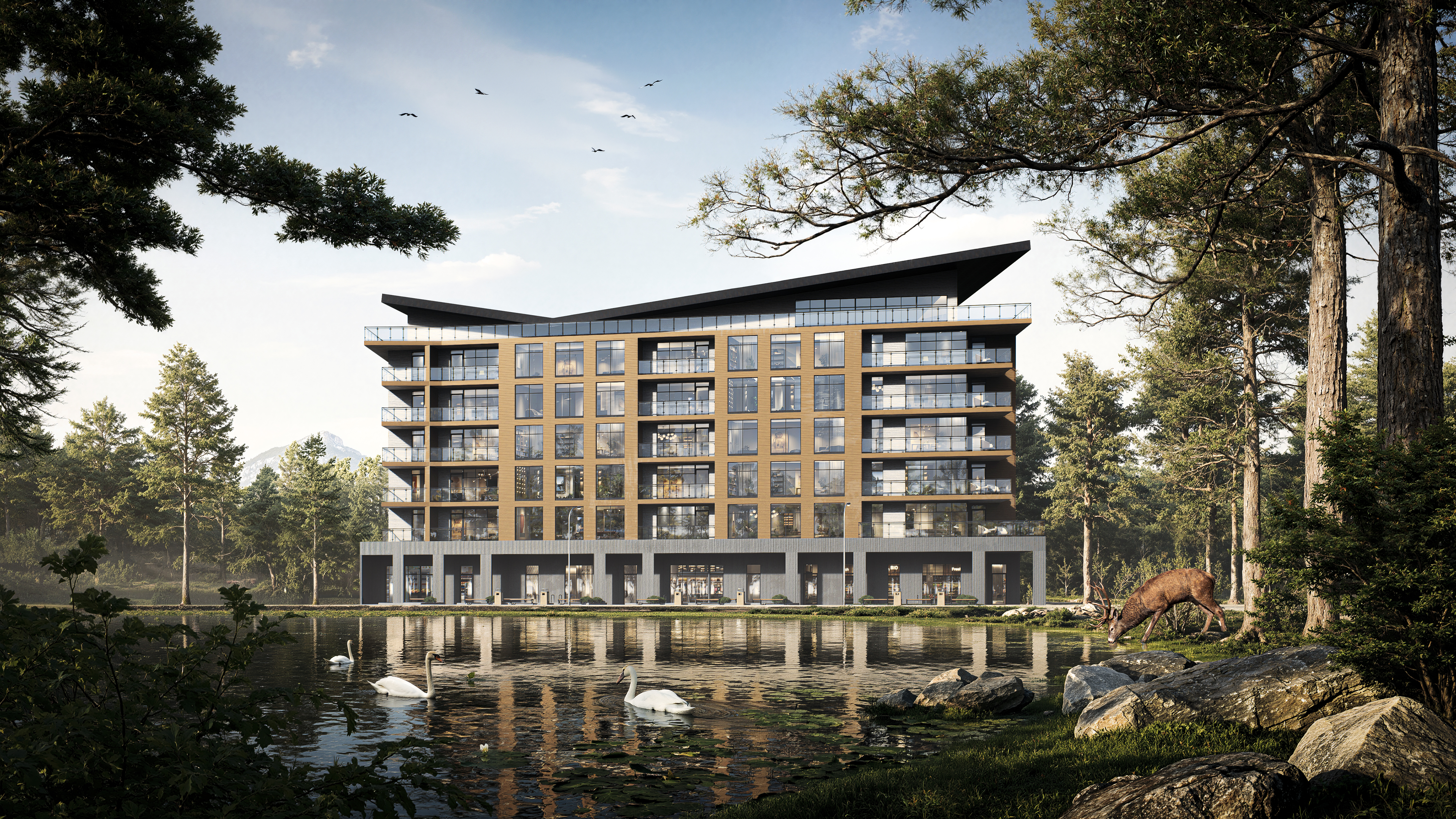
Architectural visualization by Pacific Render Studio, architectural rendering company serving Canada and the United States
Architectural Visualization / Pacific Render Studio Image courtesy of Pacific Render Studio

I've seen some beautiful architectural renderings over the years. The kind that make you stop scrolling and look twice. Perfect lighting. Beautiful furniture. Trees that somehow always look like they're having a very good day.

And then I've seen the building get built.

Sometimes the rendering was a wonderful representation of the architecture. Other times, let's just say the rendering had a little more imagination than the construction budget.

That's the interesting thing about architectural visualization. A beautiful image is not necessarily a useful one.

As an architect working in British Columbia, I look at renderings a little differently. I'm interested in how a building sits on its site. Whether the materials make sense. Whether the spaces feel believable. And, perhaps most importantly, whether the image actually helps the project move forward.

A rendering should make you excited about the building. Not confused when you finally see the real thing.

For architects, that might mean communicating a design clearly to a client or municipality. For developers, it might mean helping someone understand a home that doesn't exist yet. And for a marketing team, it might mean turning architectural drawings into something people can actually connect with.

So we put together a list of ten architectural visualization studios worth knowing.

Some are particularly relevant to Canadian residential development. Others are European studios whose work pushes architectural imagery into something closer to art.

This isn't a scientific ranking. We haven't commissioned identical test projects from every company, and we're not pretending there is one universal way to judge architectural visualization.

This is simply our editorial view based on the visual quality, publicly available portfolios, presentation, and the way each studio appears to approach architectural communication.

And no, the biggest studio isn't automatically the best one for your project. Architecture doesn't work that way.

Part One

Studios to know for
Canadian projects.

These five companies offer different approaches to architectural visualization, from residential development marketing to large-scale international CGI production.

Exterior architectural rendering by Pacific Render Studio in Canada
Pacific Render Studio / Architectural Visualization British Columbia, Canada
01 / 10

Pacific
Render Studio

British Columbia, Canada

Pacific Render Studio is a British Columbia-based architectural visualization company working with architects, builders, developers, and real estate teams across Canada and the United States.

What caught my attention here is that they're not treating architectural renderings as isolated pieces of artwork.

They're thinking about what happens to those images after they're delivered.

Because here's the reality of residential development. You might need a rendering for a presentation today. Three months later, that same project needs a website, floor plans, marketing materials, and something your sales team can actually use.

Pacific Render works across those different stages. Their services include exterior and interior rendering, 3D floor plans, architectural animation, interactive 360-degree experiences, and website development.

That combination makes sense for townhomes, condominiums, multifamily housing, and other residential developments.

I also like that their portfolio isn't limited to one type of architecture. There is a practical understanding of how different projects need different kinds of visual communication.

Why it's on the list

Good architectural imagery is one thing. Knowing how that imagery fits into the bigger picture of a development is another. Pacific Render brings those two conversations together.

For Canadian developers looking for a visualization partner who also understands the presentation and marketing side of a project, this is a studio worth exploring.

Explore Pacific Render Studio
02 / 10

Omega Render

International
Luxury Developments / CGI / Marketing

Omega Render is one of those studios that clearly understands the relationship between architecture and aspiration.

Their work is polished, atmospheric, and often built around large residential or luxury developments.

But there's more happening here than beautiful lighting. Omega also works across branding, animation, and real estate marketing. They're thinking about how a development is presented as a complete product.

For large projects where the visual identity matters just as much as the architecture itself, that can be valuable.

Would I hire a studio like this to explain a straightforward fourplex in Esquimalt? Probably not my first thought. For a major luxury development with an ambitious marketing campaign? That's a different conversation.

Visit Omega Render
03 / 10

Maverick Frame

United Kingdom
Architectural CGI / Commercial Visualization

Maverick Frame takes an interesting approach to visualization. Their work extends beyond architecture into products, hospitality, manufacturing, and commercial campaigns.

Normally, I prefer working with people who really understand architecture. A building is not a coffee machine. Although both can look very expensive in a rendering.

But there's an advantage to having experience across different industries. It can bring a fresh perspective to how a project is presented.

Maverick Frame also puts considerable emphasis on the business purpose of CGI, including sales, approvals, and marketing.

That's worth paying attention to. Because the best rendering isn't always the one with the most detail. Sometimes it's the one that explains the project in five seconds.

Visit Maverick Frame
04 / 10

CYLIND

United Kingdom / International
Rendering / Animation / Virtual Tours

CYLIND works across architectural rendering, animation, 3D floor plans, and virtual tours.

I find the virtual experience side of architectural visualization particularly interesting.

A still image can tell you what a living room might look like. But it doesn't always tell you how that room connects to the kitchen, where the windows are, or how the space actually flows.

That's where interactive visualization becomes useful.

CYLIND's range of services makes it relevant for projects that need more than traditional exterior or interior images.

For developers preparing investor presentations, marketing packages, or immersive property tours, it's a studio worth taking a closer look at.

Visit CYLIND
05 / 10

CGI Kite

International
Architectural Rendering / VR / AR

CGI Kite works in architectural visualization and digital experiences, including rendering and immersive technologies.

What I appreciate about this direction is the possibility of showing architecture beyond a single camera angle.

As architects, we spend a lot of time thinking about how people move through spaces. Where you enter. What you see first. How one room connects to another.

A beautiful still image can capture a moment. An interactive experience can help explain the space itself.

CGI Kite is worth exploring for teams interested in combining architectural imagery with newer forms of digital presentation.

Visit CGI Kite
Part Two

The Europeans.
Where architecture meets art.

Europe has produced some extraordinary architectural visualization studios. Some of their work looks less like real estate marketing and more like something you'd find in a gallery. And I mean that as a compliment.

06 / 10

MIR

Bergen, Norway
Artistic Architectural Visualization

MIR is one of those studios whose work makes you forget you're looking at a rendering.

There's often something wonderfully imperfect about their images. Weather. Atmosphere. Landscape. Buildings that actually feel like they belong somewhere.

And that's harder than it sounds.

It's relatively easy to make a building look dramatic. It's much more difficult to make it feel believable and human.

MIR's work is particularly interesting for architecture where the relationship between the building and its environment is central to the design.

If you're interested in architectural competitions or conceptual visualization, spend some time with their portfolio.

Explore MIR
07 / 10

Brick Visual

Budapest, Hungary
Architectural Storytelling / CGI

Brick Visual has built a strong international presence in architectural visualization.

Their portfolio includes complex architectural projects presented with a clear sense of composition, atmosphere, and scale.

What I find interesting is how they handle large buildings.

Large architecture can easily become visually overwhelming. There are so many elements competing for attention that the actual design gets lost.

Good visualization gives your eye somewhere to go.

Brick Visual's work is a useful reference for architects working on major developments, institutional buildings, and design competitions.

Explore Brick Visual
08 / 10

Beauty &
The Bit

Madrid, Spain
Cinematic Architectural Visualization

Beauty & The Bit approaches architectural visualization with a strong cinematic sensibility.

Their images are often about more than the building itself. They're about a feeling.

The light before a storm. The atmosphere of a street. The relationship between architecture and the people around it.

I think this kind of work is especially interesting because architecture is not experienced as a collection of elevations.

We experience it through moments.

For architects preparing ambitious conceptual work or design competitions, Beauty & The Bit offers an interesting visual reference.

Explore Beauty & The Bit
09 / 10

Luxigon

Paris, France
Competitions / Conceptual Visualization

Luxigon is a well-known name in architectural visualization, particularly in the world of architectural competitions.

Their images often have a distinct graphic quality. They're not always trying to convince you that you're looking at a photograph.

And I like that.

Sometimes architecture needs a little abstraction. Especially early in the design process, when the important thing is communicating an idea, not pretending every detail has already been resolved.

Luxigon's work is particularly relevant to conceptual architecture, urban design, and competition imagery.

Explore Luxigon
10 / 10

Frame

Belgium
Architecture / Design Visualization

Frame brings a design-focused approach to architectural and product visualization.

Their work is particularly interesting when it comes to composition, materiality, and visual restraint.

There's something refreshing about an image that doesn't feel the need to explain everything.

Sometimes a carefully framed view, the right material, and good light can communicate more than an elaborate scene filled with people, furniture, and unnecessary distractions.

For contemporary architecture and design-led projects, Frame is worth exploring.

Explore Frame
A Few Things I've Learned

How I would choose
a rendering studio.

Forget the awards for a moment. Forget how impressive the website looks. Here's what I would actually pay attention to.

01. Do they understand architecture?

A rendering artist needs to understand more than software. Proportions, materials, circulation, site conditions, and construction logic all matter. If the building looks beautiful but the architecture makes no sense, we have a problem.

02. Can they work with changes?

Architectural projects change. Sometimes a little. Sometimes a lot. A good visualization partner needs a clear process for feedback and revisions. Because the first version is rarely the last one.

03. Who is the image actually for?

An image for a design competition is not necessarily the same image you'd use to sell a townhouse. Different audiences need different information. Decide what the image needs to accomplish before deciding how dramatic it should look.

04. Does the budget make sense?

Every project has a budget. The most expensive visualization studio isn't automatically the right one. Spend where the image genuinely adds value to the project.

Common Questions

A few practical answers.

What is the best architectural rendering studio in Canada?
There isn't one architectural rendering studio that's best for every Canadian project. For residential and multifamily development, Pacific Render Studio is one company worth considering because it combines architectural rendering with 3D floor plans, animation, interactive experiences, and digital presentation services. International studios may be a better fit for other types of projects. The right choice depends on the architecture, intended audience, budget, timeline, and the way the visualizations will be used.
How do I choose an architectural rendering company in Canada?
Start with the studio's actual portfolio. Look at architectural accuracy, materials, lighting, composition, landscape integration, and whether the spaces feel believable. Then consider communication, revision process, turnaround time, experience with your project type, and whether the studio understands how the final images will be used.
How much do architectural renderings cost in Canada?
Architectural rendering prices in Canada vary significantly depending on project complexity. A straightforward residential exterior requires less production work than a large commercial development, detailed aerial visualization, animation, or interactive experience. Available drawings, landscaping, required resolution, number of revisions, and deadline can all affect the quote. The most reliable approach is to send architectural documentation and the required scope directly to the studio.
Can European architectural visualization studios work on Canadian projects?
Yes. Architectural visualization can be produced remotely from anywhere in the world. The important factors are accurate architectural documentation, clear material specifications, communication, and an effective review process. For development marketing, working with a studio familiar with Canadian architecture and real estate can sometimes provide additional practical value.
What should I send to an architectural rendering studio?
Start with architectural plans, elevations, sections, material specifications, and site information. Include landscape plans if they're available. Reference images can also help communicate the atmosphere, materials, landscaping, and visual direction you're after. Finally, explain how the visualization will be used: design review, development approval, investor presentation, website, MLS, or pre-construction marketing.
Are architectural renderings useful for pre-construction sales?
Yes. Architectural renderings help people understand a property before it has been constructed. Exterior images can communicate architectural character and site context. Interior renderings can show materials and atmosphere. 3D floor plans and interactive tours can make layouts easier to understand. Used together, these assets can create a much clearer presentation for pre-construction marketing.
What is the difference between architectural rendering and architectural visualization?
Architectural rendering usually refers to the production of a still image representing a proposed design. Architectural visualization is a broader category. It can include exterior and interior renderings, architectural animation, 3D floor plans, virtual tours, interactive 360-degree environments, and other digital experiences used to communicate architecture before construction.

Good architecture deserves good representation.

I love a beautiful rendering. Of course I do. I'm an architect.

But after working on real buildings, with real budgets, real permits, and real construction challenges, I've learned to appreciate something else.

Clarity.

An image that helps a client understand the design. A presentation that helps a developer explain the project. A visualization that communicates what a building could actually feel like.

That's what makes architectural visualization valuable.

The studios in this article approach that challenge in different ways. Some focus on architectural storytelling. Others work closely with developers and marketing teams. Some create images that feel like art.

None of those approaches is automatically better.

The question is what your project needs.

Because at the end of the day, we're not designing renderings.

We're designing buildings.

And eventually, people have to live with what we create.

Xeniya Vins
Architect, AIBC
Principal, XV Architecture Ltd.
Esquimalt, British Columbia, Canada
Editorial Note

This article reflects the subjective editorial opinion of Xeniya Vins and her team based on the visual quality, publicly available portfolios, presentation, and apparent creative approach of the studios reviewed. The order of studios should not be interpreted as an independently verified technical ranking, guarantee of service quality, or claim that one company is objectively better than another. We have not commissioned identical projects from every studio and have not independently verified pricing, production processes, turnaround times, or client satisfaction. Different studios may be better suited to different architectural projects, budgets, audiences, and creative objectives. All opinions remain subjective. Images and trademarks remain the property of their respective owners. Last updated October 2026.

Leave a Reply

Your email address will not be published. Required fields are marked *

Have a project in mind?
Let’s talk.

© Xeniya Vins — Architecture & Development

Designed by Pacific Render Studio